The Pilgrims as “failed socialists”?
Did the Pilgrims almost fail in 1621 when they “tried socialism”?
This is a frequent trope that is often trotted out by conservative and libertarian political pundits around Thanksgiving. It seems to have its origin in a 1968 column by Henry Hazlitt at the height of the Cold War. The idea is that when the Pilgrims landed in Plymouth in 1620, the first governor, John Carver, had planned a communist utopia in the New World. This soon failed when the colonists became lazy and starvation and death resulted. Finally after Carver and more than half of the colonists had died, a wiser Governor William Bradford decided to make each household produce their own stock of food from farming their own lots of land. From then on, the Pilgrims prospered. “Let us be thankful for this valued lesson from our Fathers — and yield not to the temptations of socialism,” concluded Hazlitt. So goes the anti-socialist story. Numerous others have repeated this legend, including Rush Limbaugh, John Stossell, and George Will.
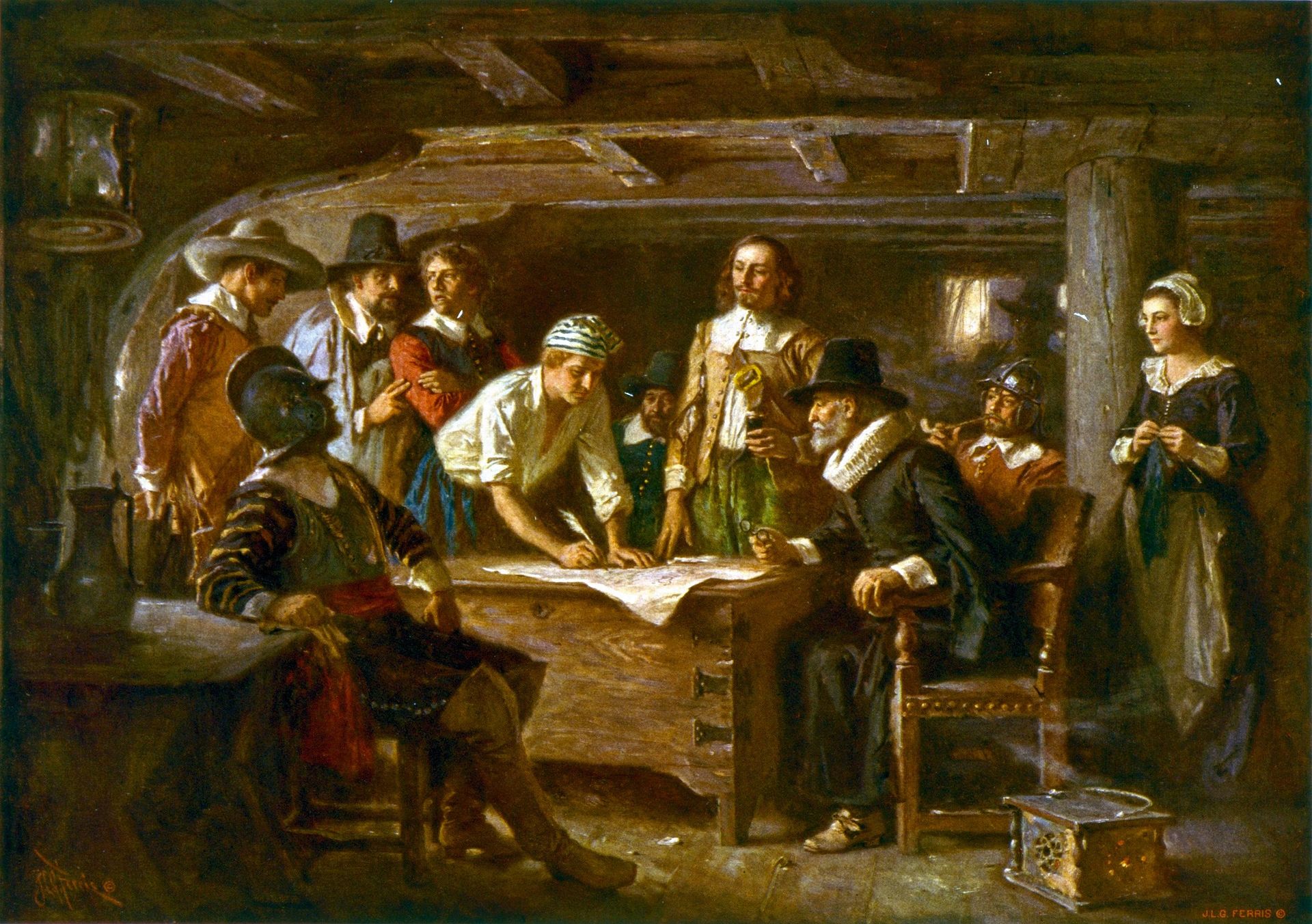
Although there is a grain of truth in this tale, the main problem is the timeline.
Read more